

Description
Product Overview
Sourced directly from our large-scale fermentation facilities, this Food-Grade Citric Acid for Drinks serves as a foundational ingredient for global beverage and food production lines. As a primary manufacturer, we ensure a continuous, stable supply of this naturally derived organic acid, which is characterized by its pure white crystalline structure and clean, sharp profile. It is engineered to meet the exact specifications required by commercial formulators.
- Purity guaranteed at strict levels of 99.5%–100.5%.
- Moisture content precisely maintained between 7.5%–9.0%.
- Full compliance with FCC, USP, and GB 1886.235 standards.
- Optimal flowability to prevent caking in industrial mixing environments.
Product Description
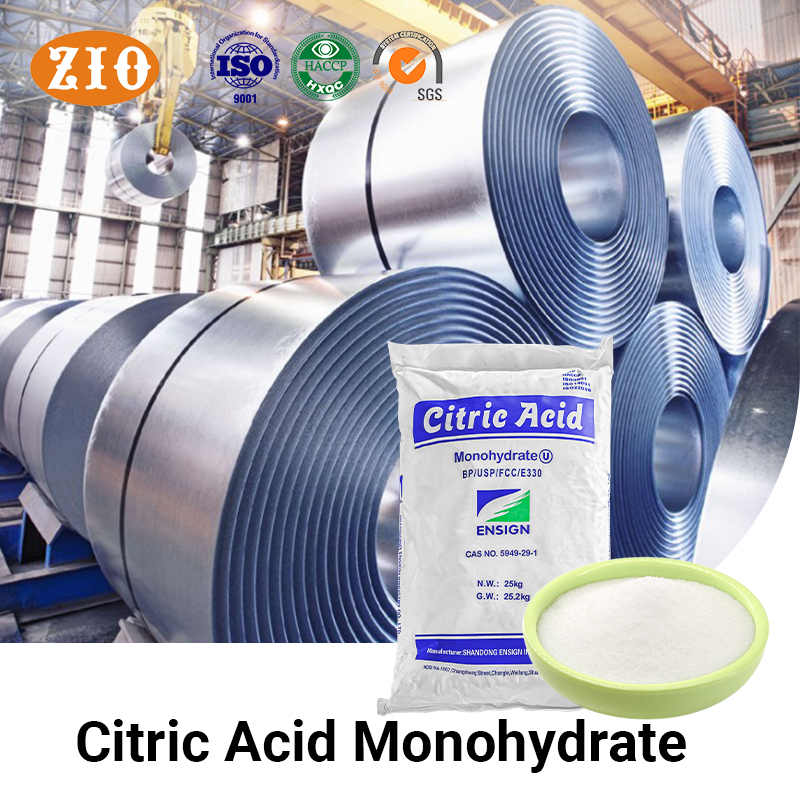
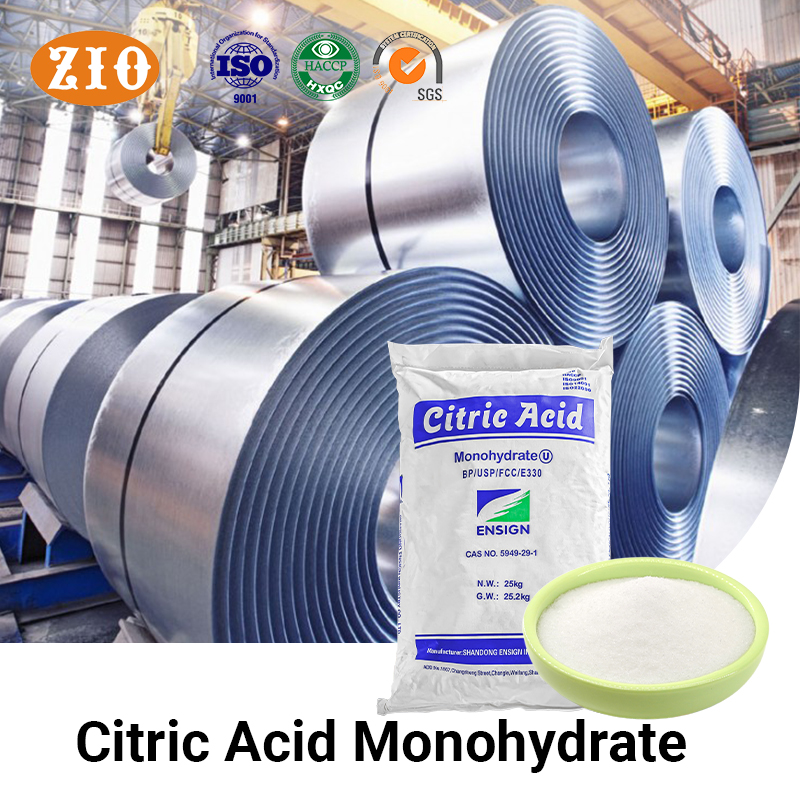
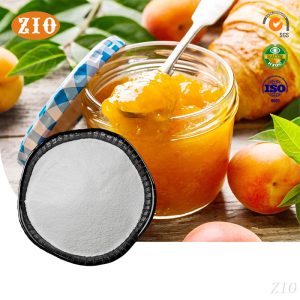
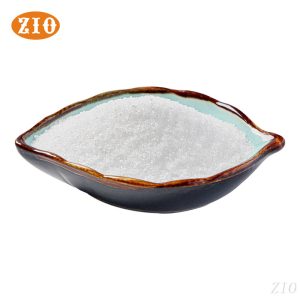
Upon opening a commercial batch, operators will notice a pristine, white crystalline powder (CAS No.: 5949-29-1, E Number: E330) that is entirely odorless, yet delivers a sharp, characteristic tartness when dissolved. The granular consistency is carefully controlled during the crystallization process to prevent clumping during extended transit, ensuring smooth, predictable flowability when poured into large-scale industrial mixing vats or automated dosing equipment.
In aqueous solutions, these crystals exhibit rapid and complete solubility. They integrate instantly into liquid matrices without leaving any granular residue or cloudiness behind. This physical trait is crucial for high-speed bottling lines where processing time and visual clarity are paramount. The rapid dissolution rate helps reduce mechanical agitation time, thereby lowering energy consumption during the compounding phase of beverage manufacturing.
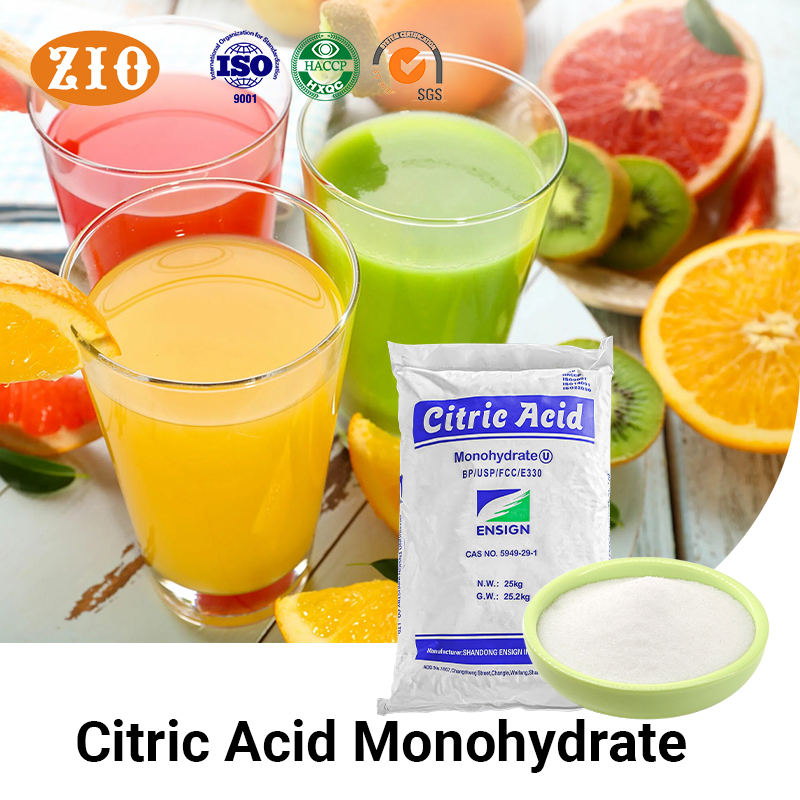
By acting as a reliable and consistent acidulant, this organic acid allows formulators to dial in the exact flavor profile required for citrus-flavored sodas, isotonic sports drinks, or fruit juices. It effectively masks overly sweet notes from syrups and delivers a crisp, refreshing mouthfeel that modern consumers expect, all while maintaining the structural integrity of the final product.
Product Benefits
Natural Acidity Regulation: Effectively adjusts pH levels in complex food systems (e.g., dairy products, sauces) to a target range of 3.5–5.0. This enhances flavor harmony without introducing artificial aftertastes. In commercial yogurt production, for instance, it refines the tanginess while preserving the delicate creamy texture of the dairy base, ensuring batch-to-batch sensory consistency.
Preservation Enhancement: Inhibits the growth of spoilage-causing microorganisms (such as Aspergillus and Bacillus) by actively lowering the environment’s pH. This mechanism reduces spoilage rates by up to 40% in perishable items like fresh-cut fruits and ready-to-eat salads, directly improving the shelf stability and commercial viability of packaged goods.
Chelating Performance: Binds tightly to free metal ions (e.g., iron, copper, manganese) present in food matrices. This chelating action prevents oxidative browning—a common issue in processed apple slices or potato products—and protects the degradation of sensitive fat-soluble vitamins (A, D, E, K) during thermal processing.

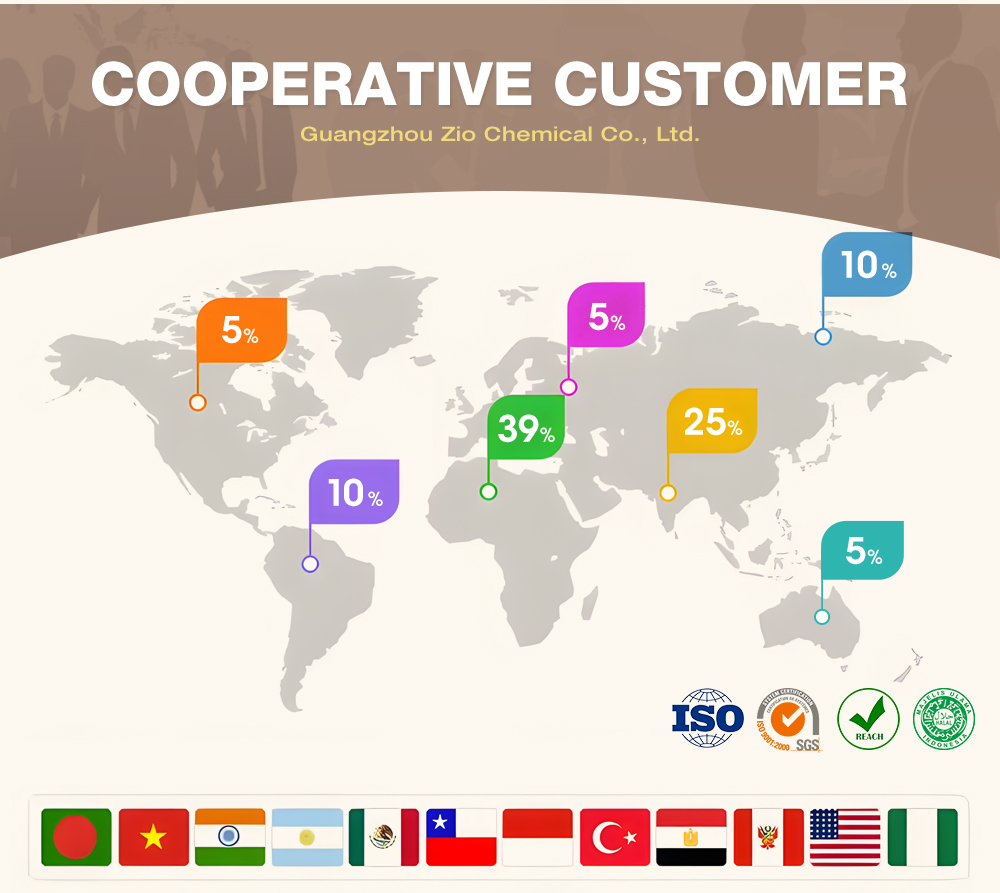
Regulatory Compliance: Certified Halal (by JAKIM), Kosher (by OU), and manufactured under ISO 9001 protocols. This ensures barrier-free integration into global food supply chains, meeting the strict audit requirements of everyone from European confectionery brands to Asian beverage conglomerates.
Usage
Beverage Industry: Typically added at a dosage of 0.1%–0.5% in carbonated soft drinks, fruit juices, and sports drinks. In citrus-flavored sodas, it balances the heavy sweetness of high-fructose corn syrup and boosts the perception of refreshment. In isotonic drinks, its specific ionic profile aids in rapid electrolyte absorption during consumption.
Confectionery: Improves internal gel strength in pectin-based jellies (e.g., gummy bears) by facilitating cross-linking with pectin molecules. Furthermore, it prevents sucrose crystallization in hard candies (like lollipops) during the critical cooling phase, ensuring a smooth, glass-like texture rather than a grainy finish.
Fruit Processing: Acts as a powerful oxygen scavenger in canned fruits (e.g., peaches, pineapples, apricots). By slowing down enzymatic oxidation, it maintains the firm cellular texture and bright visual color of the fruit over long storage periods. It also reduces the formulator’s reliance on synthetic colorants.

Dairy Industry: Used extensively in commercial cheese production to coagulate milk proteins (serving as a reliable replacement for animal rennet in vegetarian-friendly cheeses) and in sour cream manufacturing to standardize acidity levels across massive production batches.
Comprehensive Supply Chain & Service Capabilities
Understanding the rigorous demands of commercial food and beverage manufacturing, we have structured our operations to provide unmatched reliability, transparency, and support from raw material sourcing to final delivery.
- Packaging & Specification Options: We provide diverse packaging solutions tailored to your facility’s handling capabilities, ranging from standard 25kg moisture-proof composite paper bags to large-capacity IBC totes, accommodating both manual dosing and automated bulk handling systems.
- Capacity & Supply Chain Guarantee: Backed by extensive independent storage centers and a massive annual production yield, we guarantee stable, rapid fulfillment of global orders, insulating your production lines from seasonal shortages or market fluctuations.
- Quality Control & Safety Testing: Every single dispatch is accompanied by a comprehensive COA (Certificate of Analysis) alongside third-party testing reports for heavy metals and microbial limits, ensuring 100% adherence to the strictest food-grade safety parameters.

- Trade Terms & Customs Documentation: We support flexible financial arrangements including T/T and L/C. Our dedicated export team prepares full customs clearance documentation—including Certificates of Origin and Health Certificates—to ensure frictionless cross-border transit.
- Sample Services & Technical Support: We supply free evaluation samples for your R&D team’s formulation testing. Additionally, our chemical engineers are available to provide custom blending advice and application guidance specific to your product matrix.
- Safety & Handling Protocols: To ensure operational compliance, we provide detailed MSDS (Material Safety Data Sheets), personal protective equipment recommendations, and precise temperature/humidity guidelines for long-term warehouse storage.

Product Information
| Attribute | Detail |
|---|---|
| Name | Citric Acid Monohydrate / Anhydrous |
| Ingredient | Citric Acid |
| Specification | 25kg |
| Capacity | 25 kg |
| Place Of Production | Guangzhou, China |
| Shelf Life | 2 years |
| Storage Conditions | Store in a cool, dry place |
Product Advantages
Consistent Natural Acidity
Derived through controlled microbial fermentation rather than synthetic chemical synthesis, our product delivers a natural, clean sour taste profile that mimics citrus fruits. For large-scale food and beverage manufacturers, this translates to an acidulant that provides a reliable tart balance to sweet flavors without introducing the harsh, metallic off-notes sometimes associated with lower-tier alternatives. It improves the overall taste profile of soft drinks, candies, and fruit-flavored snacks while maintaining strict batch uniformity.

Versatile Industrial Applications
Beyond traditional culinary uses, this specific crystalline structure is highly valued across multiple manufacturing sectors. As a functional fruit acid, it is utilized to accelerate cutin renewal in cosmetic formulations, proving highly effective when incorporated into commercial lotions, creams, and facial cleansers to stabilize pH levels safely. Furthermore, its natural chelating properties make it an excellent, environmentally friendly descaling agent in industrial cleaning compounds.

FAQ
Q: How to store this product to avoid quality degradation?
A: Store in a cool (temperature 15°C–25°C), dry area with relative humidity ≤ 60%, and keep the original packaging strictly sealed to prevent moisture absorption and subsequent caking. Shelf life is 24 months when stored properly; avoid proximity to strong odors (e.g., spices or volatile chemicals) as the powder may absorb foreign scents.
Q: Is it safe for infants and young children?
A: Yes, it meets the World Health Organization (WHO)’s acceptable daily intake (ADI) standards of 0–3 mg/kg body weight. Heavy metal content is strictly controlled at ≤ 5 ppm (with lead ≤ 0.5 ppm, arsenic ≤ 0.1 ppm), making it entirely suitable and compliant for use in sensitive applications like infant cereals and baby food purees.
Q: Can it be used in non-food applications?
A: Absolutely. It is commonly used in cosmetic formulations (e.g., facial cleansers, shampoos) to adjust pH, and in household or commercial cleaners as a natural, biodegradable descaling agent for faucets, kettles, and industrial piping.

Q: What are the standard packaging dimensions and materials?
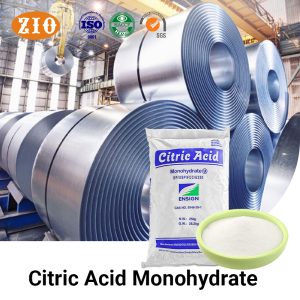
A: The standard offering is a 25kg multi-layer kraft paper bag with an inner polyethylene (PE) moisture-barrier liner. This construction prevents puncture during palletization and protects the hygroscopic crystals from ambient humidity during ocean freight.
Q: How do you ensure batch-to-batch consistency for large-scale procurement?
A: We utilize automated, continuous fermentation and crystallization processes monitored by digital sensors. Every batch undergoes rigorous spectrophotometric and titration analysis before release, ensuring the purity (99.5%–100.5%) and moisture (7.5%–9.0%) metrics remain identical across multiple container loads.


Reviews
There are no reviews yet.